About Eva

This author has not yet filled in any details.
So far Eva has created 9 blog entries.

Accelerating the Decarbonization of the Maritime Industry

🚢 Shipping plays a key role in the global economy, but it is also a major source of emissions—responsible for around 3% of global emissions and 3–4% of the EU’s total.

Encouragingly, policy momentum is growing. The IMO’s Net Zero Framework, alongside expanding EU maritime and emissions regulations, lays a strong foundation for decarbonization. These policies are beginning to level the playing field by reducing the cost gap between fossil and green alternatives. But the critical challenge lies in scaling.

📢 That’s why we at Cleantech for Nordics published an open letter today calling for policy action to accelerate the green transition in maritime. With the EU and IMO frameworks taking shape, and Denmark taking over the EU Presidency today, we stand before a huge opportunity.

🟢 We outline five key points:

1. Accelerating market uptake

2. Bridging the funding gap for mature technologies

3. Using ETS revenues to de-risk investments

4. Creating demand through green public procurement

5. Securing clean fuel resilience

💡 With strong policy foundations taking shape we now stand before an enormous opportunity. As Denmark takes on the EU Presidency, there is a chance to drive meaningful progress—especially for shipping, one of the hardest sectors to decarbonize. With the right mix of policy, funding, and demand signals, we can accelerate deployment, attract private investment, and position Europe as a global leader in green shipping.
Accelerating the Decarbonization of the Maritime Industry2026-01-03T18:40:57+01:00

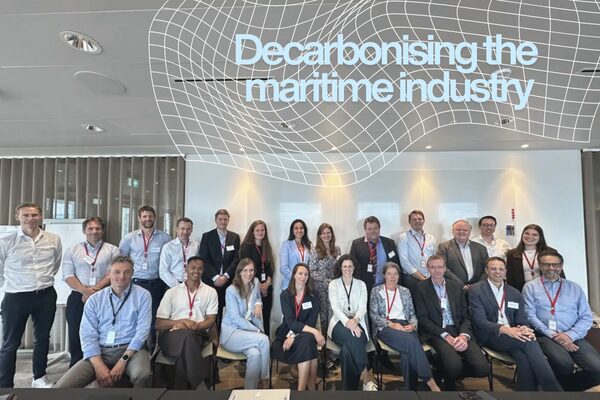
Roundtable on decarbonizing the maritime industry

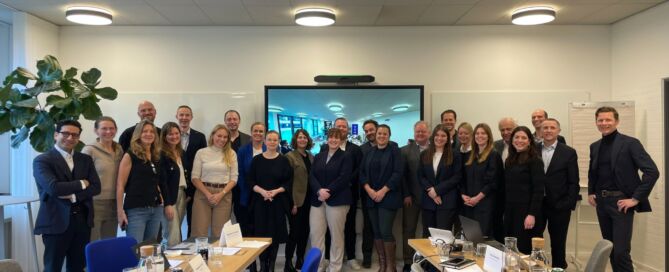
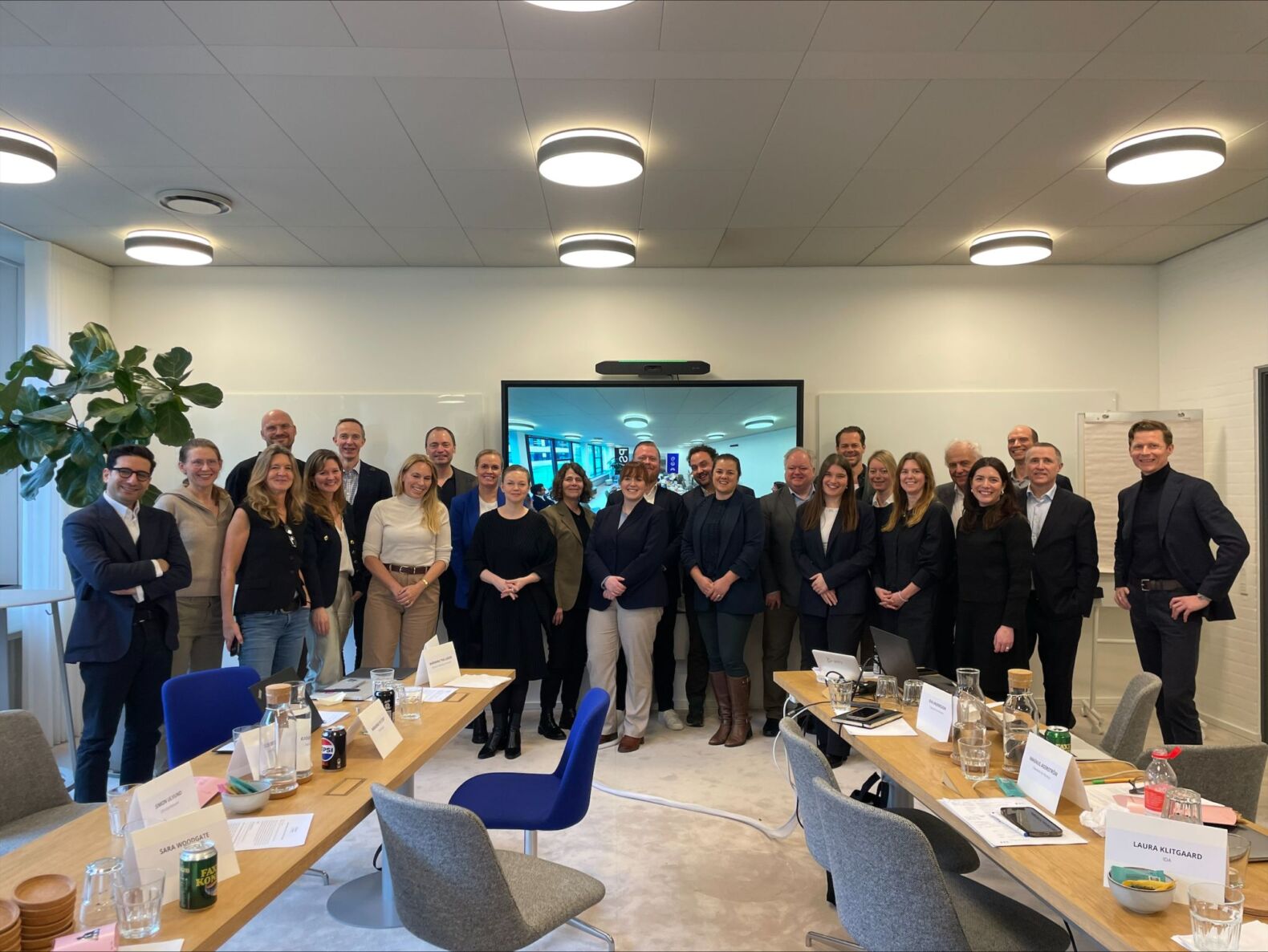
On Monday, we had the pleasure of bringing together innovators, policymakers, industry leaders, experts, and investors for a roundtable on decarbonizing the  maritime industry. Big thanks to Maersk Growth for hosting us—and to everyone who joined.

The maritime sector faces a massive opportunity—and a tough challenge. With promising new regulation, the industry could become a global leader in net-zero pathways. But it’s still early days, and the financing gap remains significant. Here are some key takeaways from our discussion:

⚓️ The IMO Net Zero Framework introduces economic and technical measures to reduce emissions and promote zero-emission fuels and technologies. It has two levels: a base target and a stricter direct compliance target. Ships that don’t meet the base target pay $380 per ton of CO₂ or must buy extra credits. Ships missing the stricter target pay an additional $100 per ton. Ships that do better than both can earn credits they can use, save, or sell—creating strong incentives to reduce emissions and invest in cleaner ships.

💰 The investment needed to decarbonize shipping is estimated at $1.5 trillion—yet the IMO Net Zero Fund is only expected to collect around $11–12 billion per year. This is a strong start, but not nearly enough. Can the finance sector help bridge the gap? How do we further de-risk investments? A big opportunity also lies in how we use revenues from the EU ETS. Denmark, for example, expects to receive 12 billion DKK from shipping’s inclusion. These funds could be earmarked for projects such as help scale e-fuel production. The key challenge though—both for policymakers and the finance sector—is to ensure these limited funds are used in ways that truly drive emission reductions, support innovation, and accelerate the path to net zero.

📊 The market isn’t ready yet. Risks aren’t shared across the value chain, and the maritime industry often can’t shoulder big investments. To bridge the “valley of death” for emerging technologies, we need supportive policies and financing tools. Many technologies are technically ready but not yet market-competitive. This is where policymakers can step in. Promising paths include the EU’s upcoming Sustainable Transport Investment Plan and exploring double-sided auction models.

🌍 Europe—and especially the Nordics—have a great chance to lead the shipping transition. Denmark is moving fast with PtX and green fuels, while Norway shows momentum in electrification. Across the region, Nordic companies are bringing forward smart solutions for shipping decarbonization.

The maritime transition is underway, and we’re seeing encouraging signs—policy is moving, the IMO Framework offers new tools, and the cost curve is starting to shift. But markets, infrastructure, and industry adoption still have a long way to go. Now is the time to put in place mechanisms that de-risk offtake, reward early movers, and unlock private capital to scale zero-emission solutions. 🤝 🚀

Roundtable on decarbonizing the maritime industry2026-01-02T21:25:29+01:00

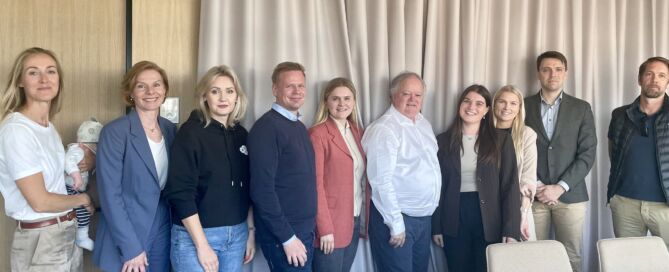
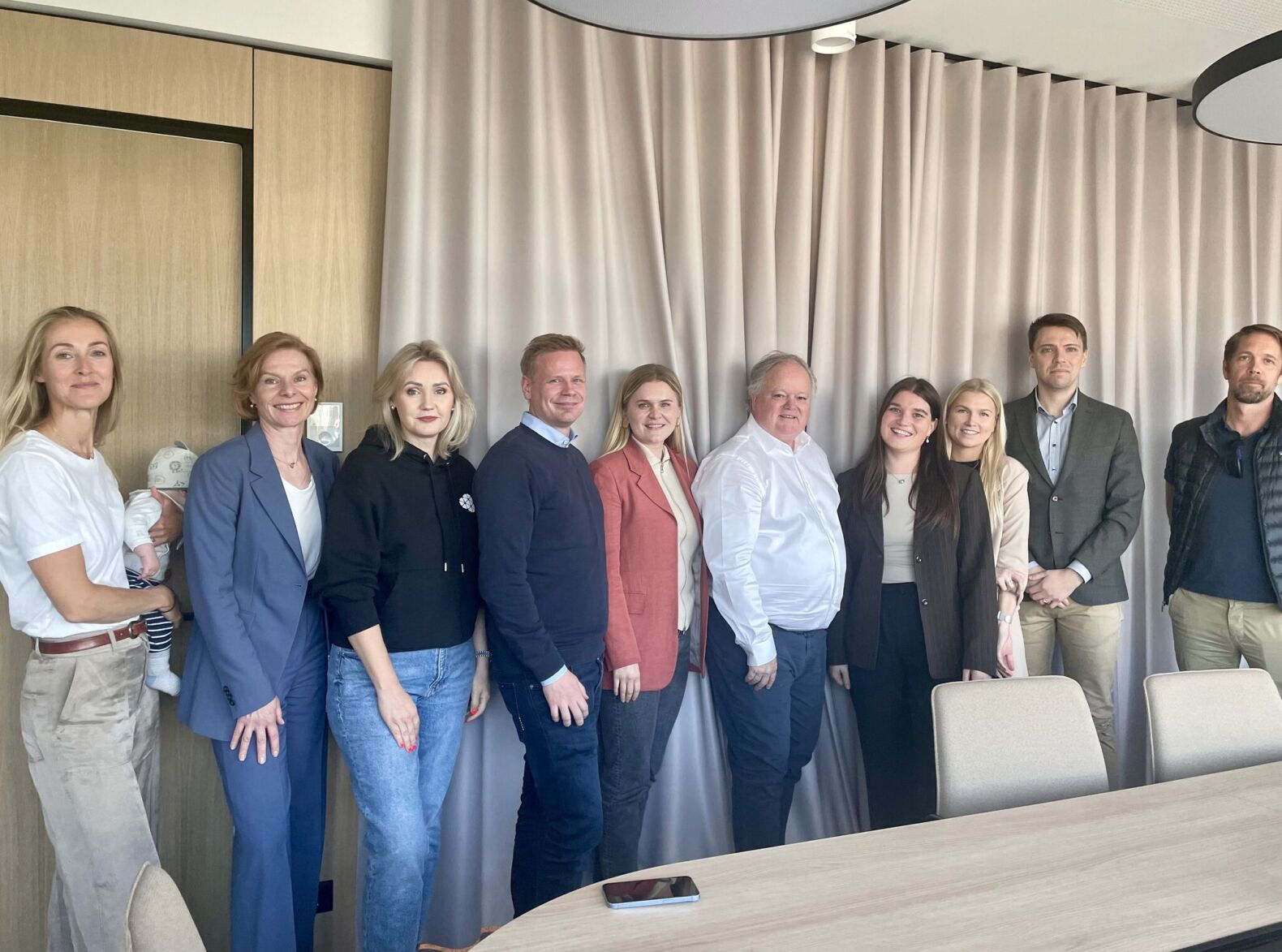
Cleantech for Nordics x Cleantech for Baltics meet-up

During Cleantech Capital Day, we had the chance to meet our Baltic friends—Cleantech for Baltics—while we were organizing Cleantech Capital Day in Tallinn. We got the chance to sit down together, discuss our work, and see how we can align our efforts. 🇪🇪✨

”The New Nordics” isn’t catching on without reason, and we have a lot in common across the Nordics and Baltics. We’ve got a strong innovation scene and a lot of green momentum across our shared region.💡🌱

It was a real pleasure to meet up, share perspectives, and strengthen our ties. We look forward to even more collaboration across the Nordics and Baltics as we move ahead together! 🚀

Cleantech for Nordics x Cleantech for Baltics meet-up2026-01-02T22:07:49+01:00

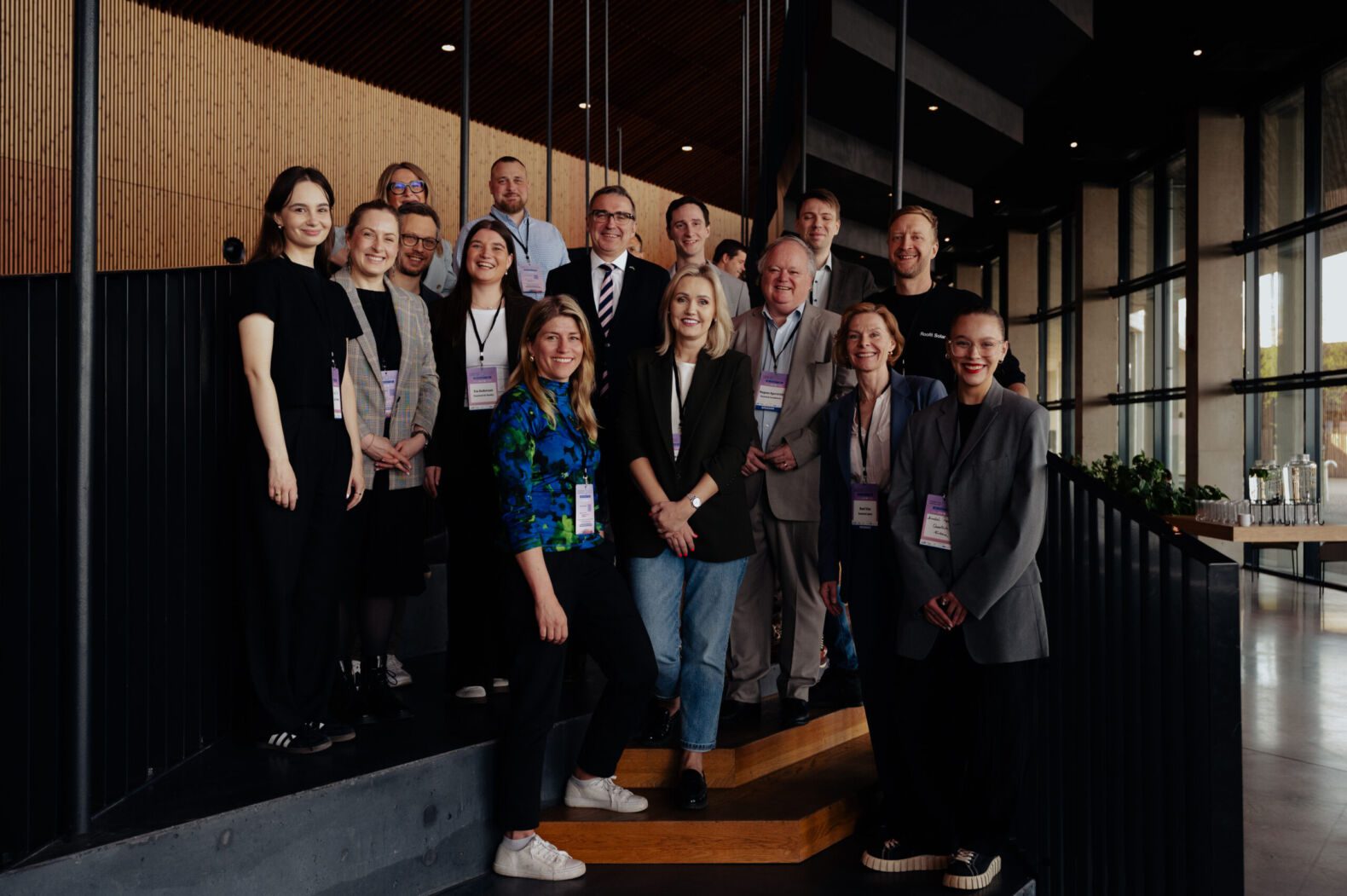
Cleantech Capital Day 2025

We had the honor of opening Cleantech Capital Day in Tallinn with inspiring words from Estonia’s Minister of Energy and Environment, Andres Sutt. 🇪🇪

Surrounded by startups and investors working on climate, energy, and environmental solutions, Andres Sutt spoke about Europe as a place where innovation truly happens. Importantly, he emphasized that every founder should have the opportunity to start and scale their business right here in Europe. Technology will be a key driver in the fight against climate change, and the opportunities ahead are many. At the same time, we can’t lose sight of the broader policy and geopolitical context we’re operating in, and we need to think about what we can do here in Europe to speed up the transition to a greener, cleaner world.

That’s why we’re proud to bring together the Cleantech for Nordics and Cleantech for Baltics coalitions here. As Minister Sutt said, our corner of the world has the mindset, ambition, and courage to lead—and we hope our two coalitions can play a part in driving that forward!

Cleantech Capital Day 20252026-01-02T21:38:53+01:00

Open Letter: CISAF

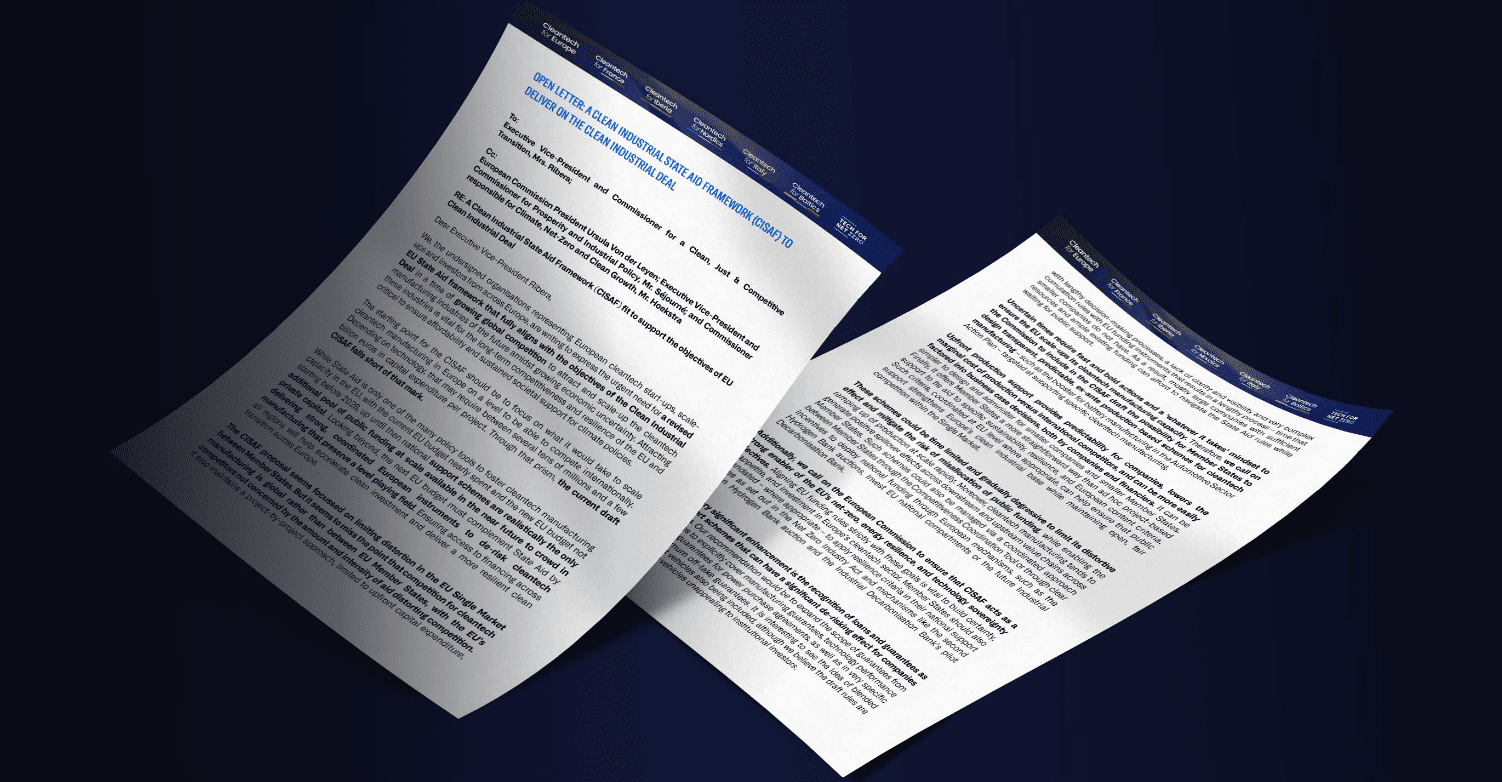
Open Letter: A Clean Industrial State Aid Framework (CISAF) to Deliver on the Clean Industrial Deal

🇪🇺 ✍ Cleantech for Nordics joined Cleantech for Europe, together with Cleantech for Iberia, Cleantech for France, Cleantech for Italy, Tech for Net Zero and Cleantech for Baltics, in signing a joint letter to the European Commission on the Revised State Aid rules implementing the political ambitions of the Clean Industrial Deal.

With the next EU budget not kicking in before 2028, State Aid is currently the most important public tool to de-risk the scale of cleantech manufacturing in Europe. The current draft of the Cleantech & Industrial Scheme for Aid Framework (CISAF) includes welcome steps forward—but also leaves key gaps that risk slowing down Europe’s industrial momentum.

Here’s what is needed:
🔹 Allow Member States to design transparent, predictable, ex-ante production-based schemes for cleantech manufacturing.
🔹 Higher aid volumes and intensities—current levels are far below what’s needed to de-risk cleantech manufacturing and industrial decarbonization, and are a far cry from what international competitors are providing.
🔹Simplified and faster approval processes. Lengthy, lump-sum, project-by-project aid approvals remain a major barrier for scale-ups and are not bankable for SMEs, entrepreneurs and financiers — not predictable, transparent, or fast enough. This is where simplification could make a huge difference for SMEs!
🔹 Ensure CISAF effectively supports EU’s net-zero, energy resilience, and technology sovereignty objectives
🔹 Expand the scope of guarantees to explicitly cover manufacturing guarantees, technology performance guarantees and guarantees for power purchase agreements, as well as in very specific cases some minimum of-take guarantees

📣 We need to make it easier for cleantech companies to succeed, and we need policy frameworks that unlock scale, speed, investment and bankability. It’s time for Europe to go beyond risk avoidance—and start truly backing its industrial future. 🚀

Open Letter: CISAF2026-01-02T21:42:47+01:00

Roundtable on the upcoming Danish Presidency of the EU

End of February in Copenhagen, we had our roundtable on cleantech innovation and European competitiveness, just a day after the launch of the Clean Industrial Deal. With Denmark preparing to take on the EU Council Presidency in July, the timing couldn’t be better to push for a faster-moving, more competitive Europe. 💪

Some key takeaways:
💸 𝗜𝗻𝘃𝗲𝘀𝘁𝗺𝗲𝗻𝘁 𝗮𝗻𝗱 𝘀𝗰𝗮𝗹𝗶𝗻𝗴: How can we create strong demand signals and de-risk investments to accelerate cleantech deployment? The Clean Industrial Deal is a step in the right direction, but can Denmark take it further? We also can’t overlook key policies like the EU ETS and CBAM. By properly pricing carbon, these policies level the playing field, and we need to strengthen and support these market mechanisms even more.

📊 𝗟𝗼𝗻𝗴-𝘁𝗲𝗿𝗺 𝘀𝘁𝗿𝗮𝘁𝗲𝗴𝘆: We discussed the need for a clear, long-term strategy so innovators and investors can move with confidence. Without it, who will take the leap on new technologies?

💡 𝗖𝗼𝗺𝗽𝗲𝘁𝗶𝘁𝗶𝘃𝗲𝗻𝗲𝘀𝘀 𝗯𝗲𝘆𝗼𝗻𝗱 𝗰𝗮𝗽𝗶𝘁𝗮𝗹: It’s about storytelling, risk-taking, and shared visions. A shift in mindset—from investors, innovators, researchers, and policymakers—could unlock new opportunities. Are we telling the right stories and fostering the right visions? What role does culture play in innovation, scaling, regulation, and policymaking?

🔬 𝗥𝗲𝘀𝗲𝗮𝗿𝗰𝗵-𝘁𝗼-𝗰𝗼𝗺𝗺𝗲𝗿𝗰𝗶𝗮𝗹𝗶𝘇𝗮𝘁𝗶𝗼𝗻 𝗴𝗮𝗽: Europe excels in innovation, but how do we turn research into scalable companies? We need better support structures and clearer pathways to bring innovation to commercialization. A key question is whether VCs have the right frameworks and capabilities to evaluate cleantech ventures?

There’s momentum building, and with the Danish Presidency ahead, we have a real opportunity to push for a faster-moving, globally competitive Europe. 🚀

A big thank you to everyone who joined! 🙏 Special thanks to Anders Kjær and PSV Hafnium for hosting us. Another big thanks to Tommy Ahlers and Marianne Thellersen for setting the scene with their opening remarks, as well as Jules Besnainou, Sune Lilbaek, Simon Ulvund, and Jan-Olaf Willums for insightful perspectives. Let’s keep the momentum going! 🌱

Roundtable on the upcoming Danish Presidency of the EU2026-01-02T21:49:42+01:00
Go to Top